Tennis Sport Courts Construction in Austin, TX
Austin’s Sport Court Construction Experts – Stallion Paving
Tennis is one of the world’s most beloved sports. People of all ages enjoy it, and adding one to your property can be a great investment. Whether for commercial use or to create a great amenity for a multi-family property or community, having a contractor with experience constructing sport courts in Austin makes all the difference. Let Stallion Paving be your partner in your tennis sport courts project. We’re based in Austin and serve all of Texas. We also have offices in Florida and serve clients throughout the United States.
What Types of Materials Do Tennis Court Builders Use?
Sport courts in Austin can utilize a wide range of materials. What’s appropriate for your project depends on your budget and needs. The most common materials for tennis court construction include:
- Concrete: Concrete tennis sport courts are a long-lasting premium option. Contractors may recommend using post-tensioned concrete to prevent cracking and damage. While costly, these courts require little maintenance to stay in great shape.
- Asphalt: Asphalt is a cost-effective material that’s easy to maintain. Many public Austin tennis sport courts utilize asphalt and feature specialized surface layer material for a more resilient finish.
- Clay: Tennis court builders can use natural and artificial clay. It’s a budget-friendly choice, but clay surfaces require more maintenance than their concrete or asphalt counterparts.
Real and synthetic grass courts are also available but considerably rarer due to the high costs and significant maintenance required. Hard-surface tennis courts are the most common; contractors can apply different finish materials to create the final wearing surface. These include acrylic/polyurethane, specialized carpets and more.
What Does Tennis Court Construction Entail?
Building tennis sport courts is similar to other types of paving. Projects begin with thorough site analysis and planning. Tennis court builders help choose an appropriate site based on access, orientation, sizing, etc. A regulation-sized tennis court is 78 feet long by 36 feet wide. However, additional runback areas and space on the side may increase the overall footprint. You may also want multi-purpose designs, half courts, single courts and more.
After planning and engineering, teams can begin excavating the site. Tennis court construction requires a sub-base. It acts as the structure’s foundation, providing stability and proper drainage. After preparing the sub-base, contractors can lay the base layer before applying the final surfacing material.
Like all paving projects, building sport courts in Austin requires additional considerations like drainage. Proper drainage improves longevity by channeling water away, preventing premature degradation and damage.
Do Austin Tennis Courts Require Repairs or Maintenance?
Austin tennis sport courts require ongoing maintenance to stay in great shape. What your maintenance plan entails will depend on the material used. Hard-surface courts built of concrete or asphalt can suffer the same types of damage as a parking lot.
Regular exposure to the elements can lead to cracking. The same goes for soil erosion, tree root invasion, etc. Fortunately, contractors can perform repairs to mend damage and restore the surface’s functionality.
Periodic tennis court resurfacing is also necessary. Resurfacing involves replacing the playing surface with new material. Most contractors recommend investing in tennis court resurfacing every four to eight years, depending on exposure and wear.
Why Choose Stallion Paving As Your Tennis Court Builders?
Whether you need a brand-new structure or tennis court resurfacing, Stallion Paving has you covered. We’re committed to providing a safe and reliable surface you can enjoy for years to come, tailoring construction to meet the unique needs of your sport and property. With an unwavering commitment to quality and customer service, we aim to exceed expectations while delivering the Austin tennis sport courts our clients dream of. In addition to constructing surfaces built for competitive play, we’re available for asphalt paving, repair, crack filling, sealcoating, milling, concrete curbs, concrete foundations, concrete repair, parking lot drainage, striping, site work and more.
Call Stallion Paving today for a free quote and make your sports court vision a reality. You can reach us at (512) 601-6487, email admin@stallionpaving.com or use our contact form to get in touch with a dedicated team member.
The Process
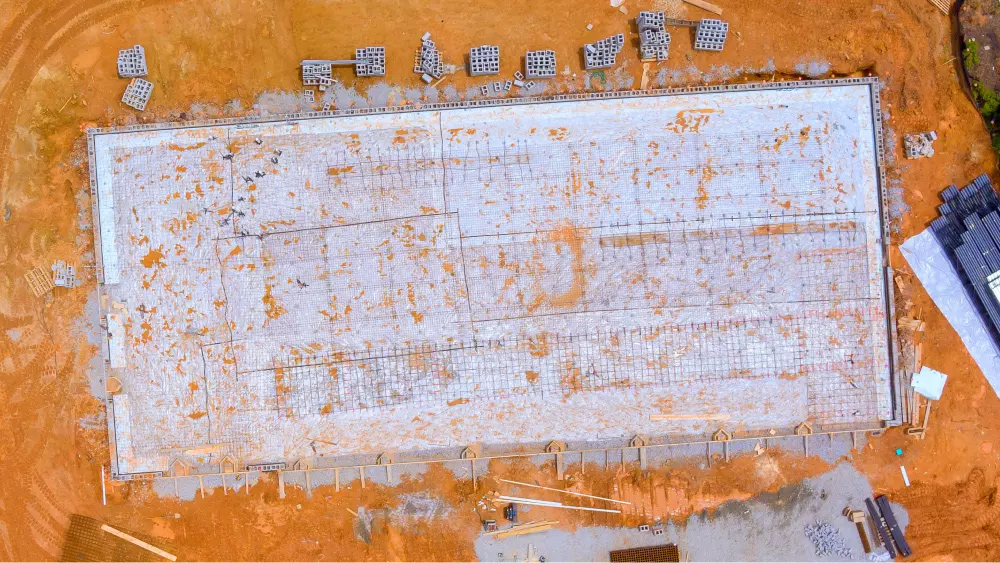
Surface Preparation
Clear and grade the area to ensure a flat, even surface.
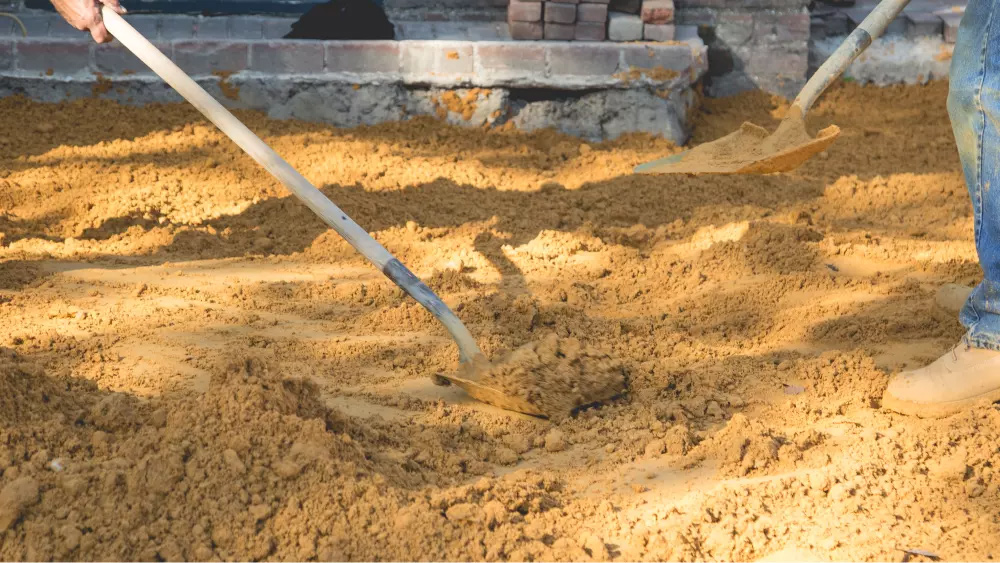
Base Layer Installation
Lay a strong base, usually of asphalt or concrete, to provide a durable foundation.
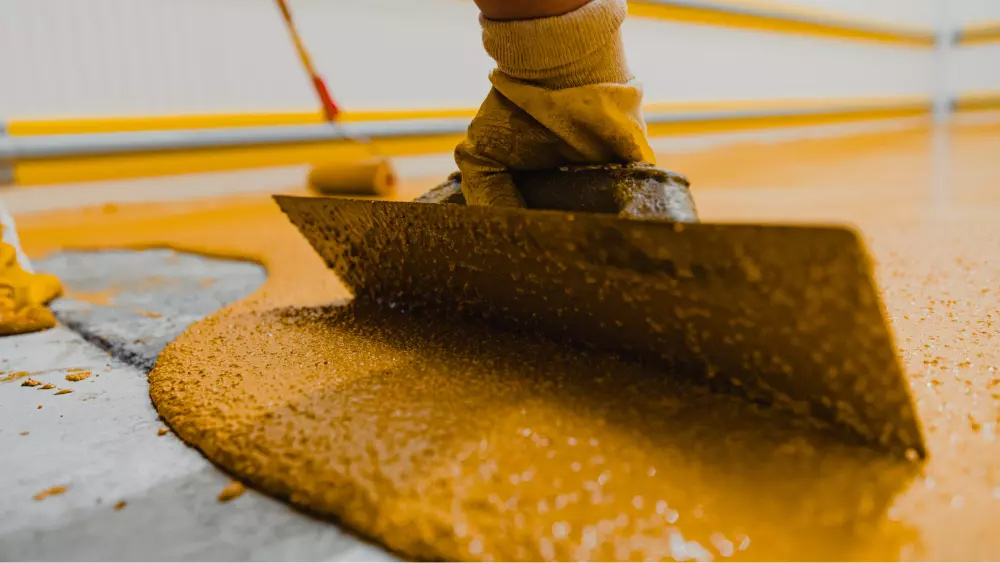
Surfacing
Apply a specialized coating or surface material designed for sports use.
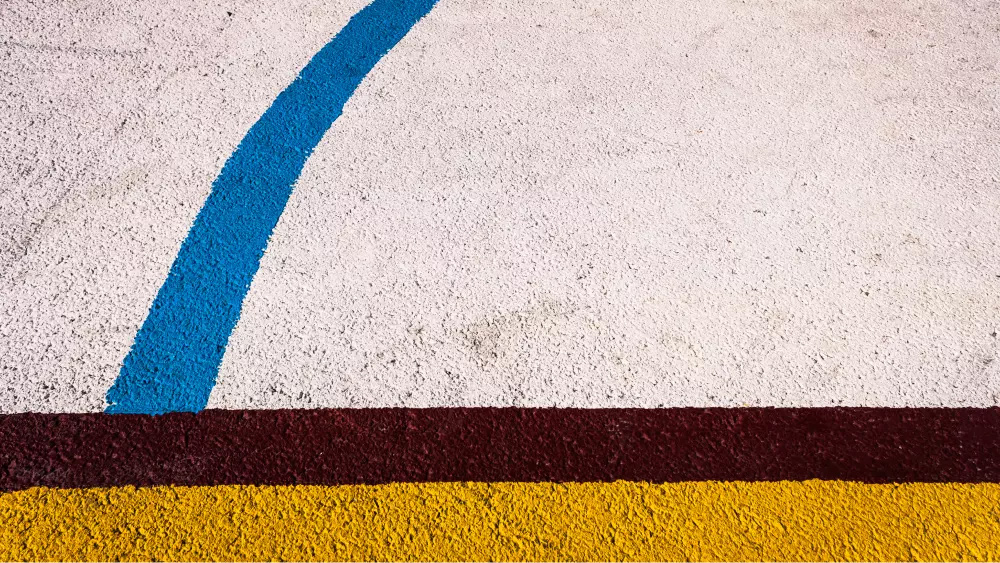
Line Marking
Paint court lines and any additional markings required for the sport.
Key Advantages of
Tennis Sport Courts
Sport courts are designed for performance and durability, providing a safe and smooth surface for various sports, from basketball to tennis.
Durable Surface
Sport courts are built to with stand heavy useand the elements.
Customizable
Courts can be tailored to specific sports, with appropriate markings and surfaces.
Low Maintenance
High-quality sport courts require minimal maintenance to remain in top condition.
Increased Safety
Specialized surfaces provide excellent traction and reduce the risk of injury.
FAQs
How long do sport courts last?
What weather is ideal for installing sport courts?
What materials are sport courts made from?
More Services
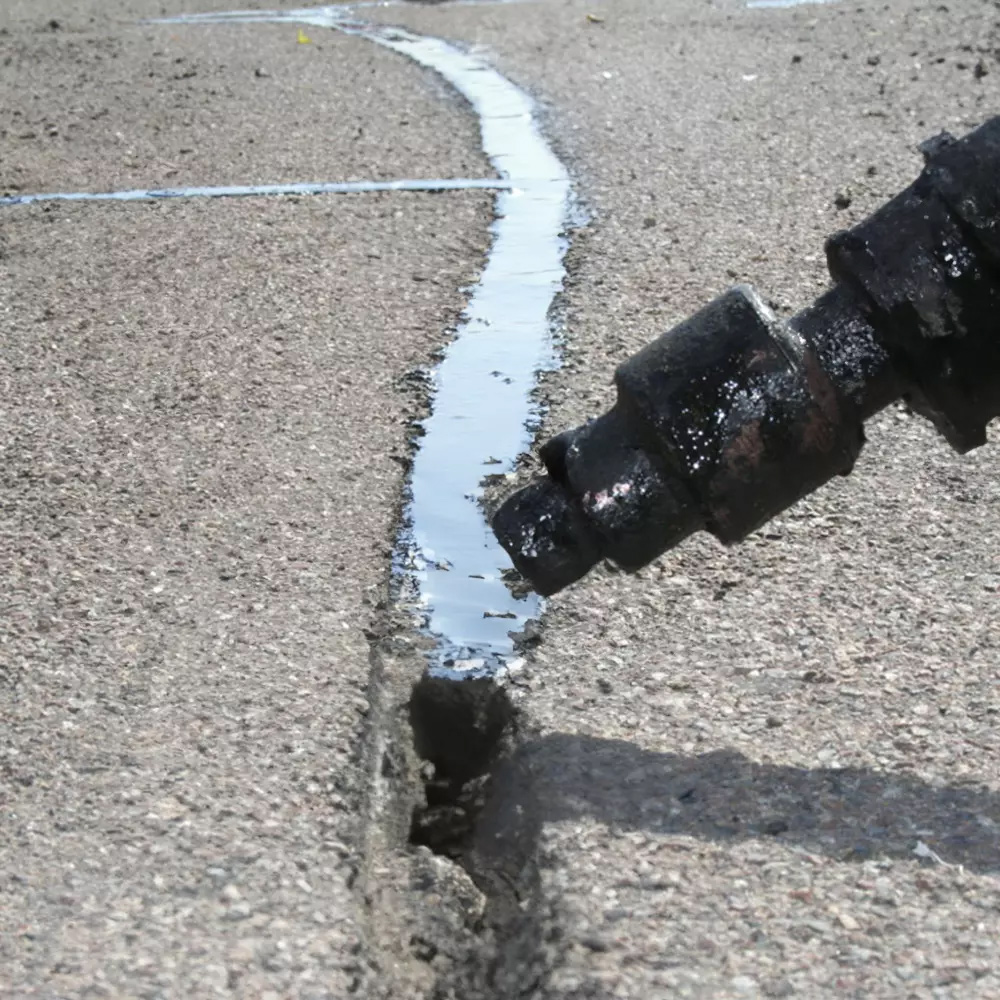
Asphalt Crack Filling
Crack filling involves sealing small cracks in asphalt or concrete to prevent moisture from entering and causing further damage.
Asphalt Crack Filling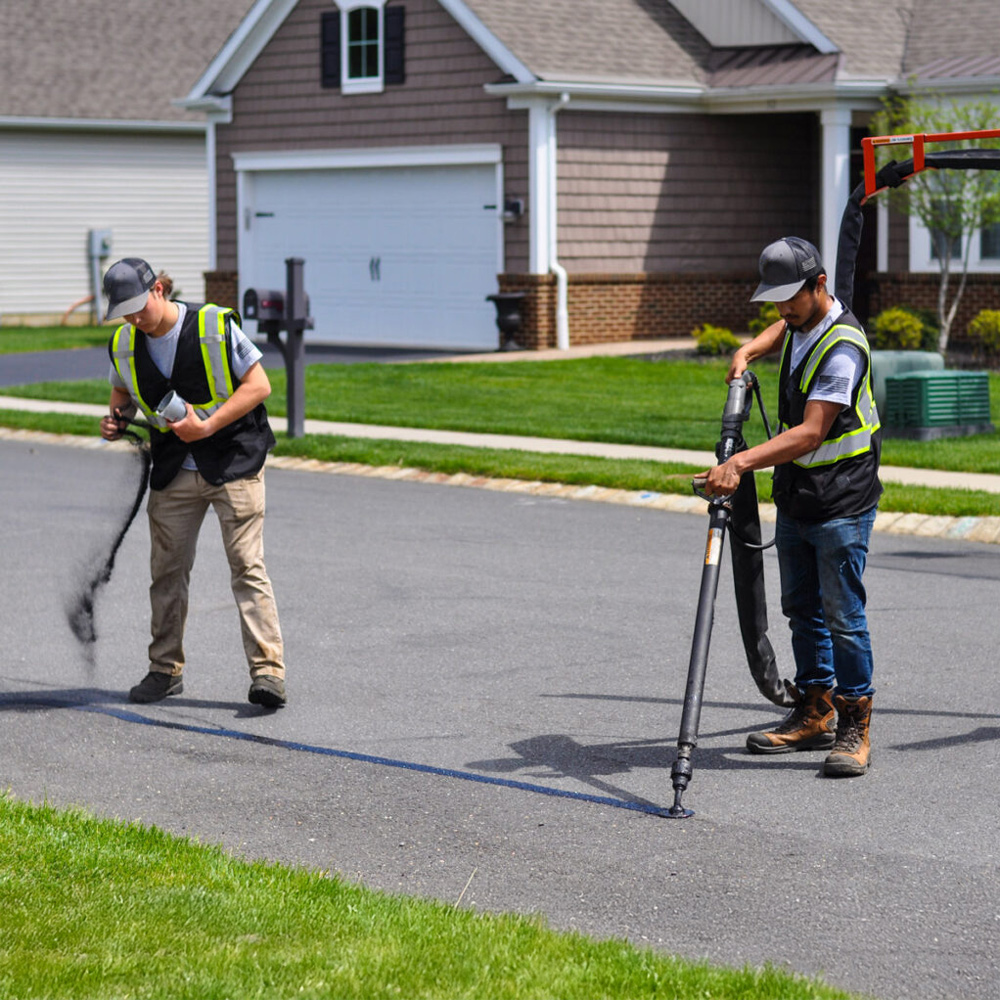
Asphalt Maintenance
Proven asphalt maintenance techniques to extend the life of your paved surfaces.
Asphalt Maintenance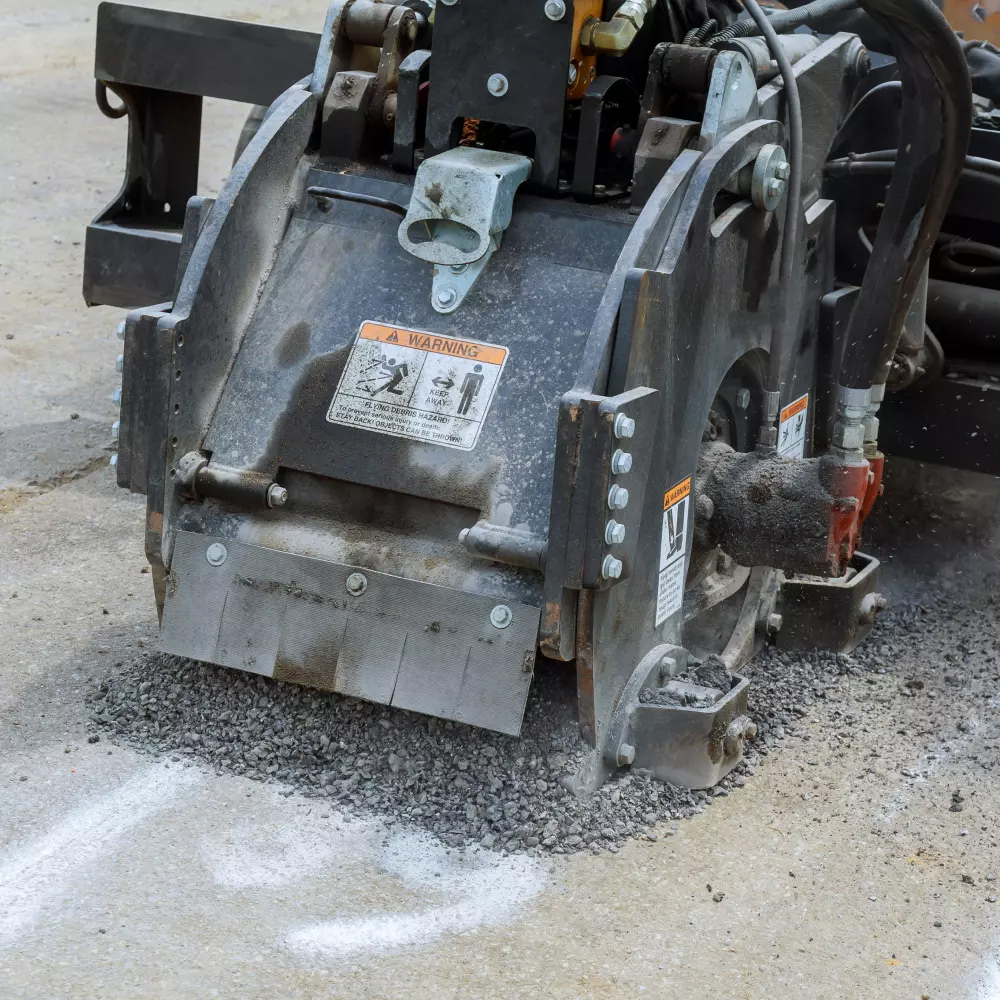
Asphalt Milling
Milling involves removing the top layer of asphalt to recycle and reuse it in future paving projects.
Asphalt Milling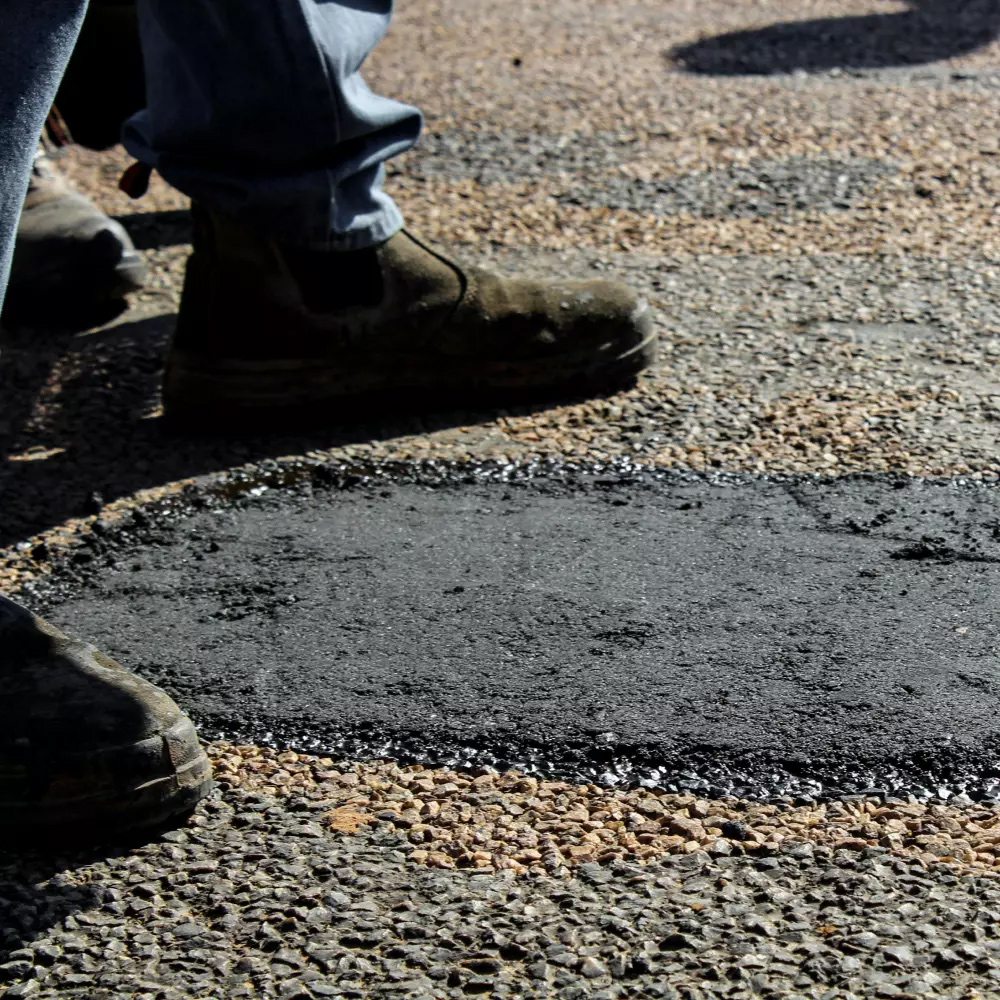
Asphalt Repair
Maintenance and pothole repairs are critical for extending the life of paved surfaces.
Asphalt Repair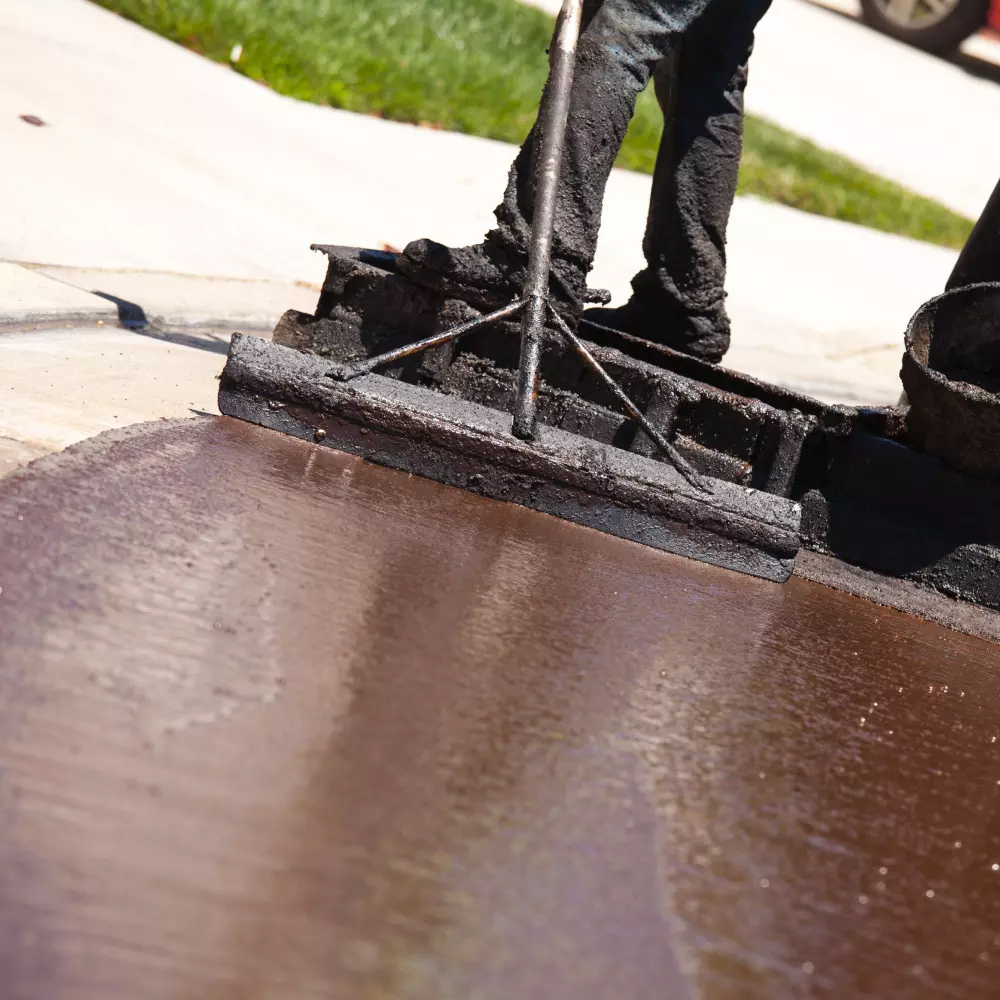
Asphalt Sealcoating
Sealcoating involves applying a protective layer over asphalt to prevent damage from UV rays, water, and chemicals.
Asphalt Sealcoating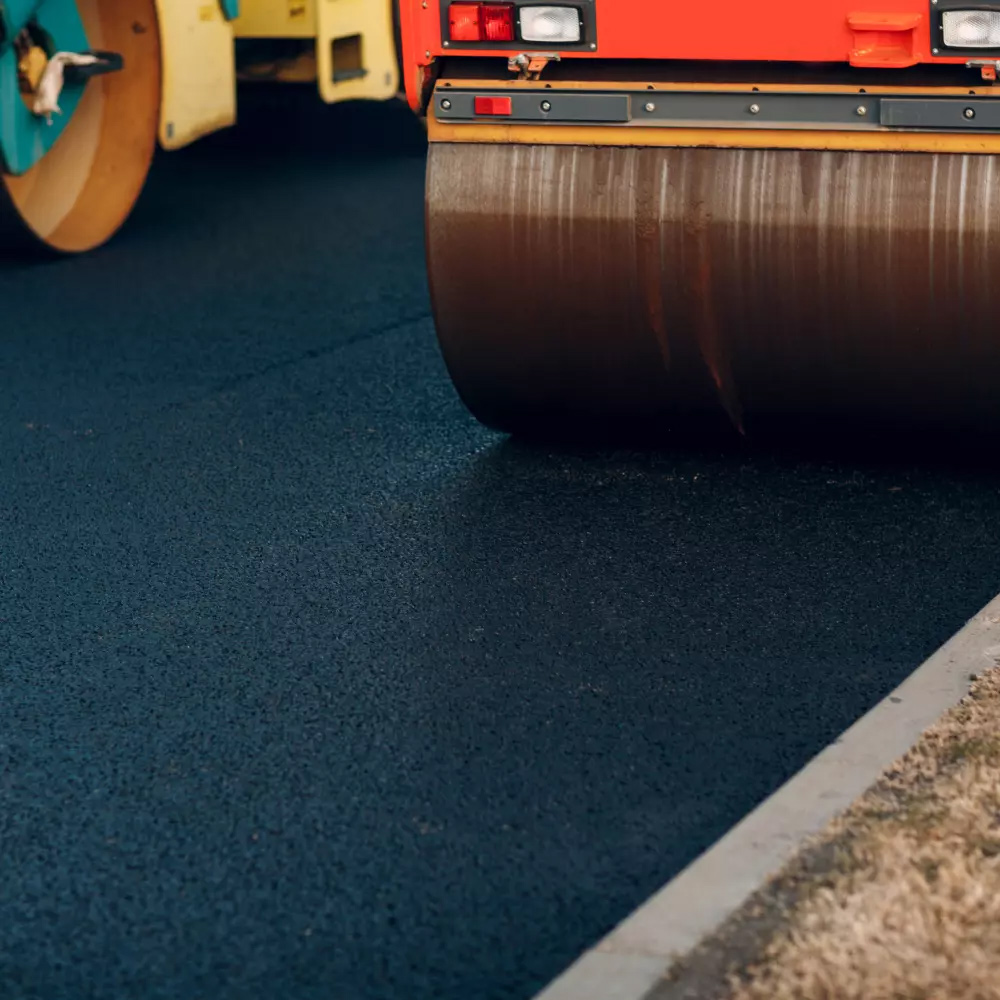
Chip Seal
Chipseal is a cost-effective alternative to traditional asphalt, often used for rural roads, driveways, and low-traffic areas.
Chip Seal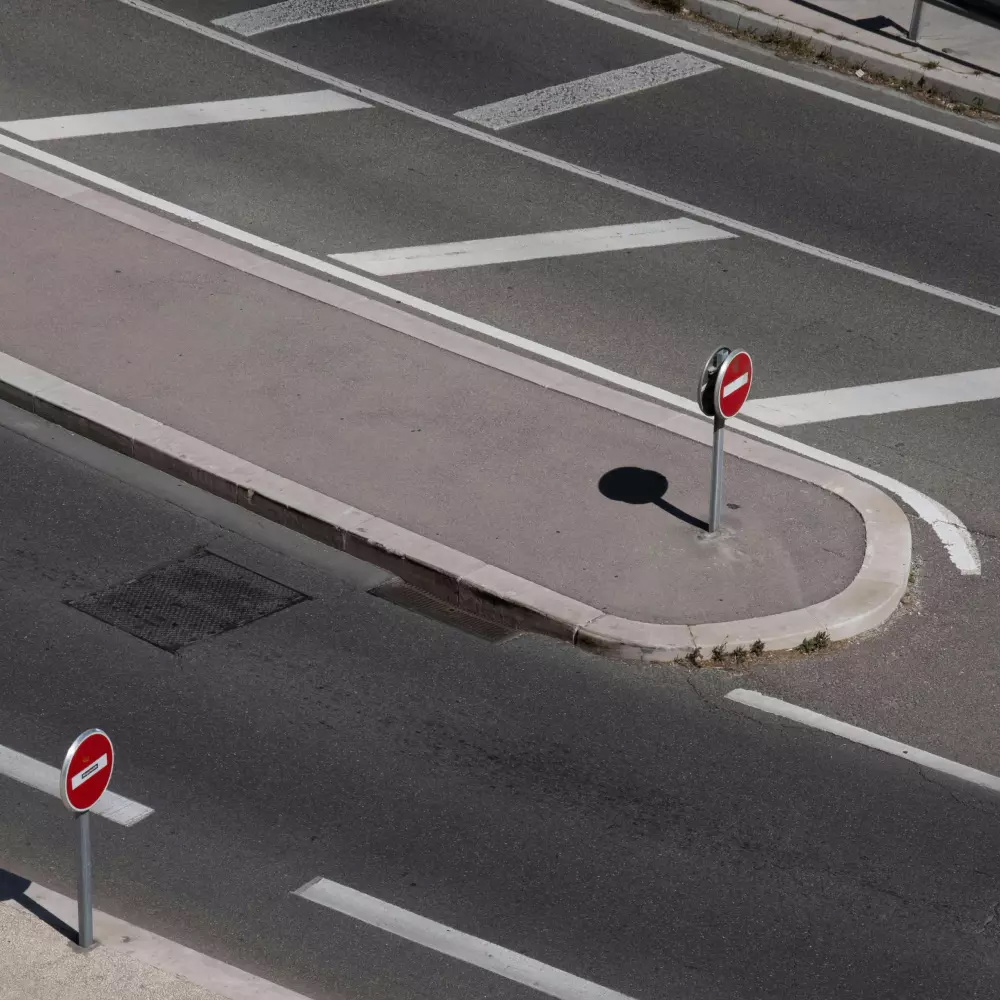
Concrete Curbs
Concrete is a strong, durable material used for building surfaces like driveways, sidewalks, and curbs.
Concrete Curbs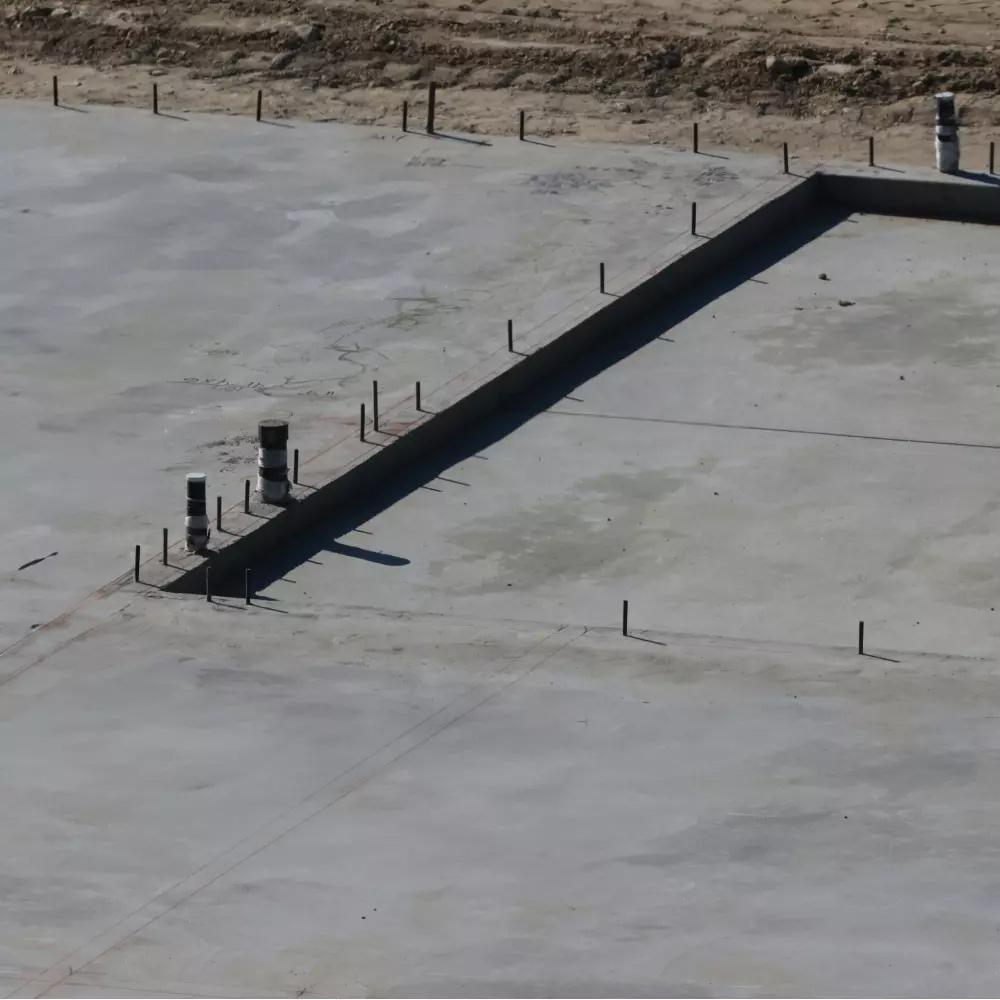
Concrete Foundation
Foundations are the structural base for buildings, ensuring stability and preventing settling or shifting.
Concrete Foundation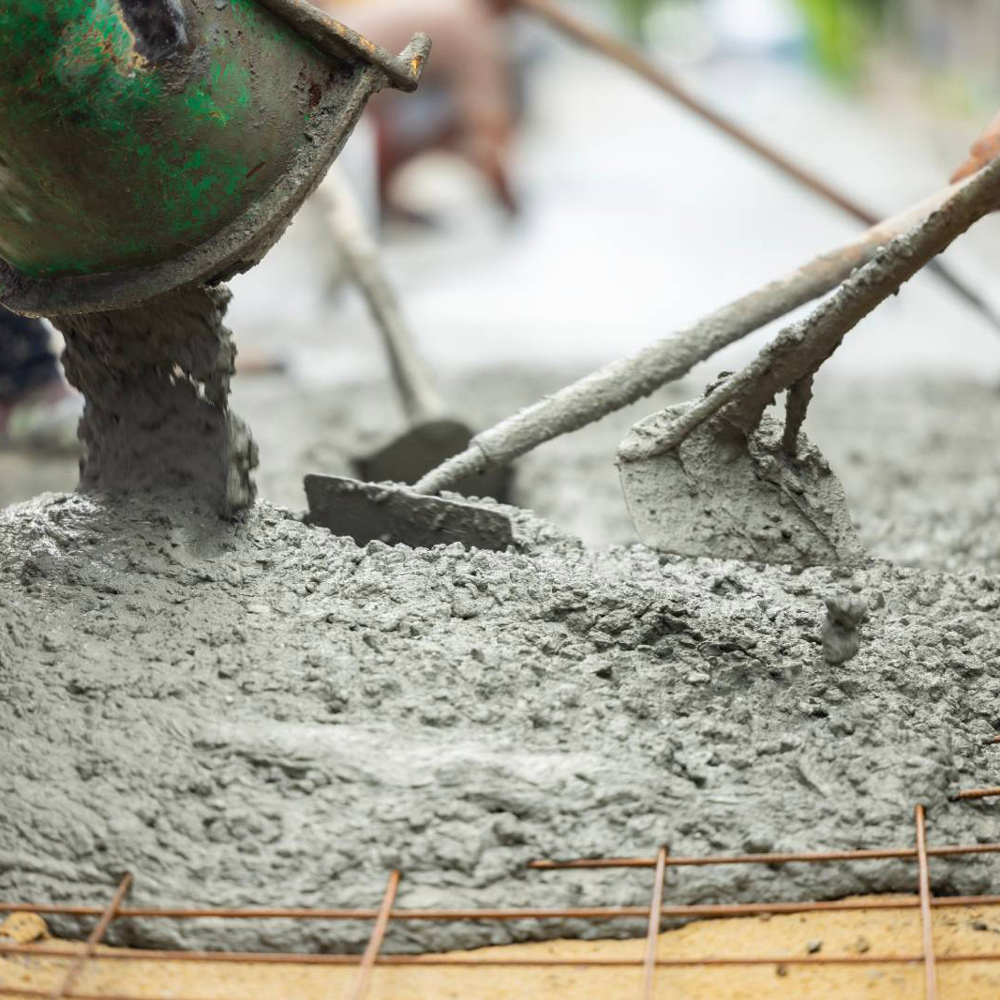
Concrete Repair
Concrete repair is the process of restoring the structural integrity and appearance of damaged or deteriorated concrete surfaces through expert techniques.
Concrete Repair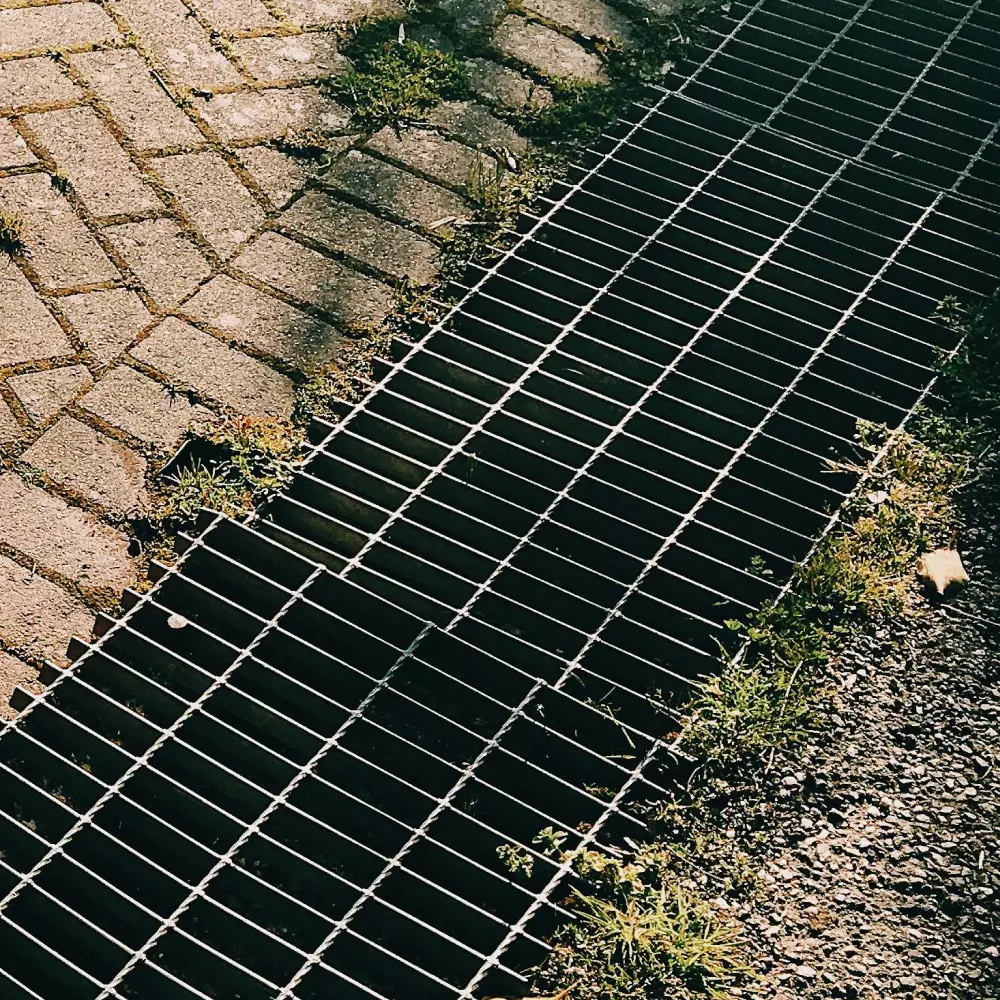
Parking Lot Drainage
Drainage and utility installation is vital for maintaining the integrity of paved surfaces. Proper drainage prevents water from pooling, reducing the risk of erosion and damage.
Parking Lot Drainage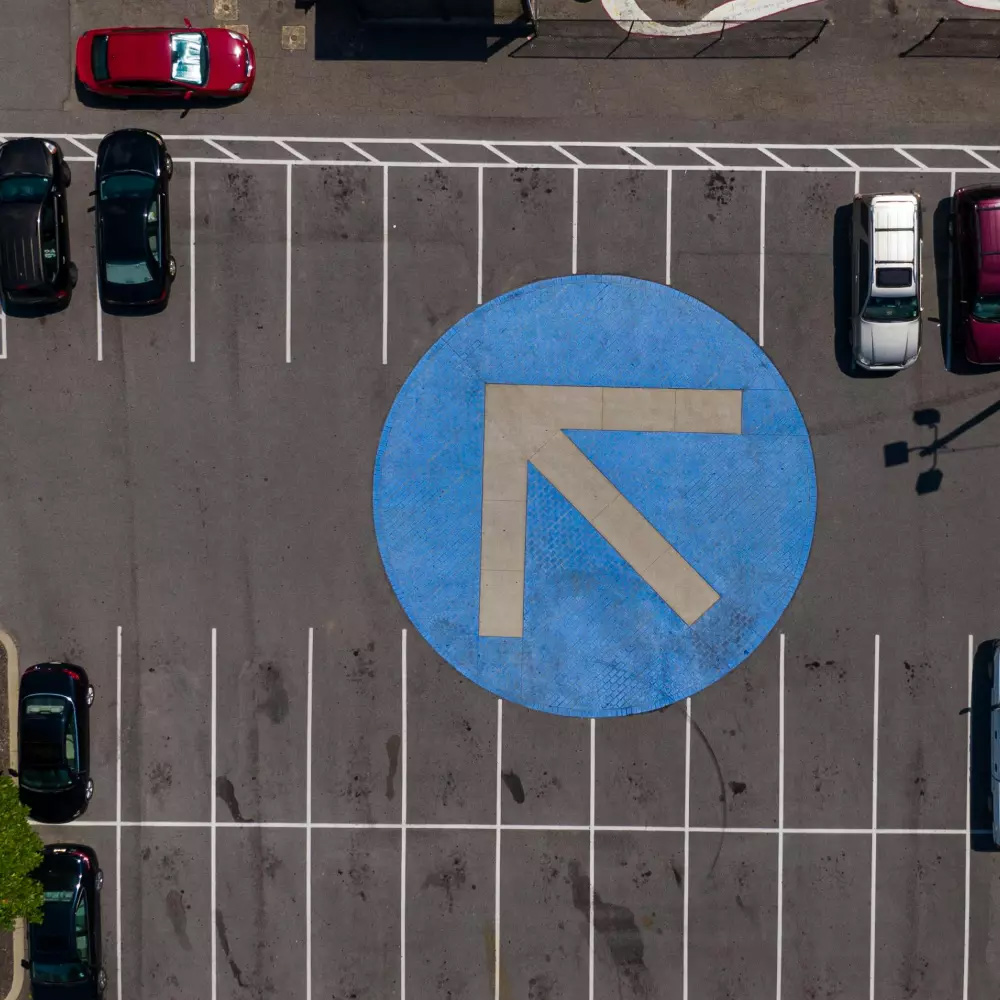
Parking Lot Striping
Parking lot striping involves painting clear, precise lines, directional arrows, and other necessary markings in parking lots to create order and safety.
Parking Lot Striping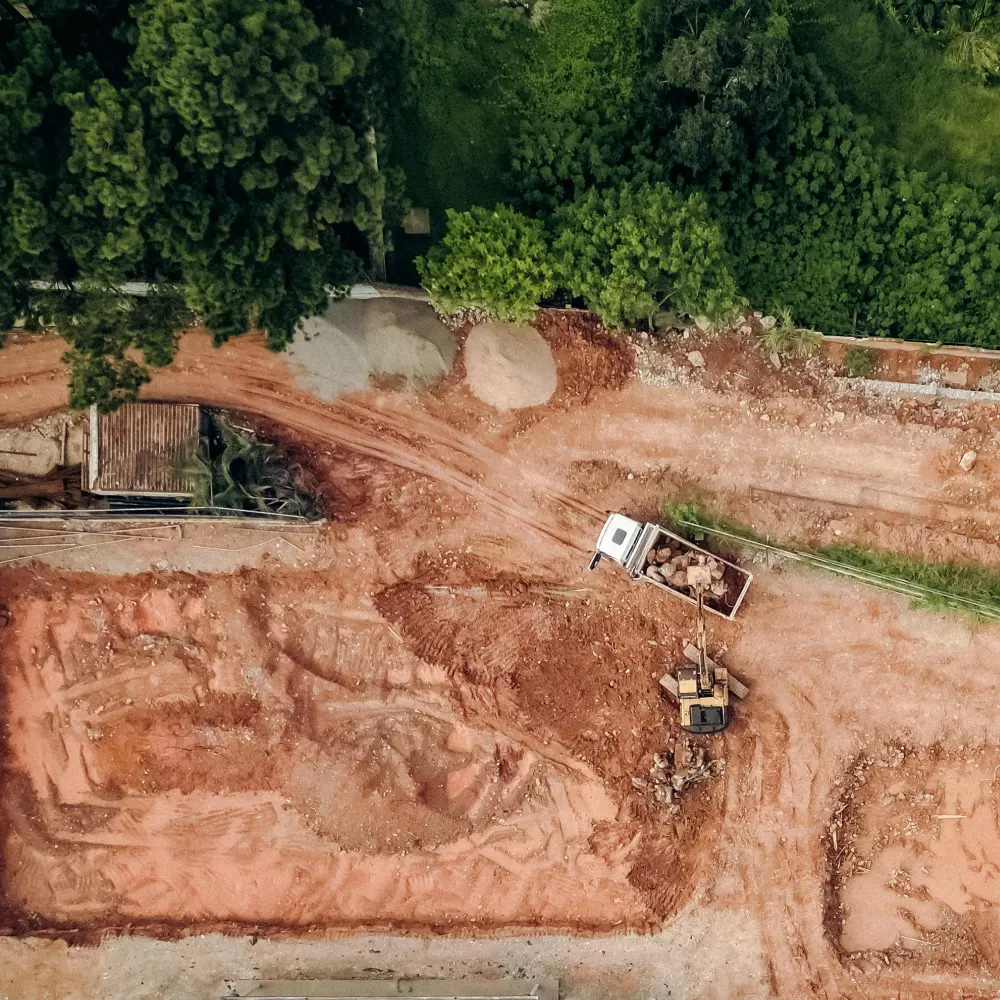
Site Work
Site work encompasses all the preparation and groundwork necessary before construction begins.
Site Work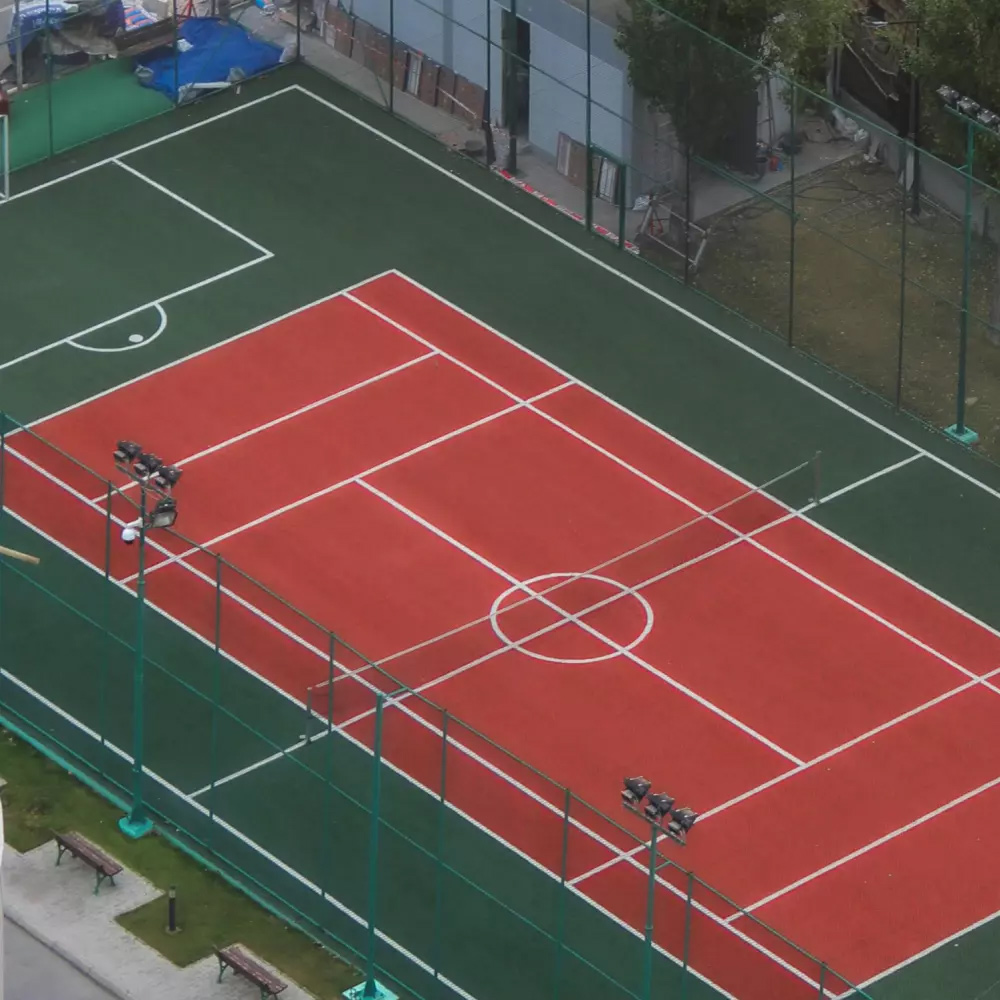
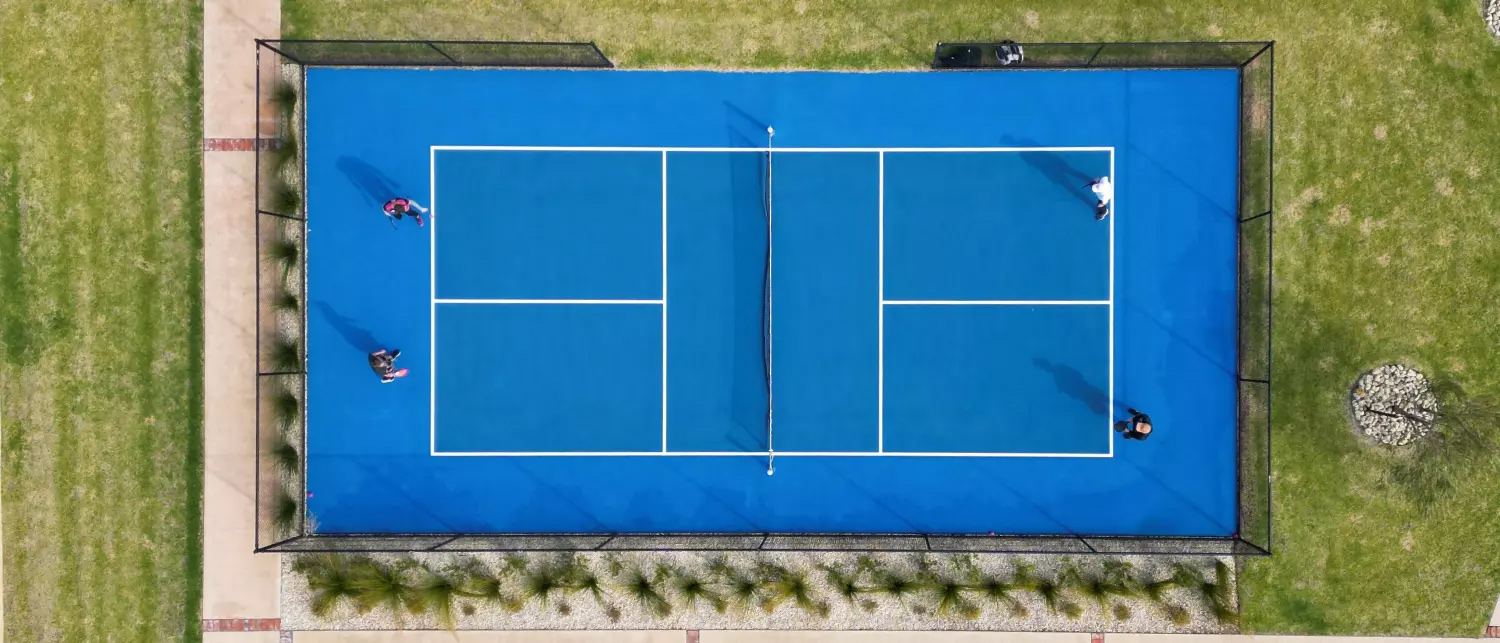
Tennis Sport Courts
Sport courts, such as basketball or tennis courts, are specialized surfaces designed to provide the appropriate traction, durability, and performance.
Tennis Sport Courts